.jpg)
There is nothing radical about preventing cruel experiments on animals. In fact, it’s our responsibility.
On April 18, 2026, I was arrested on felony charges and jailed for three days in Dane County, Wisconsin. I was the leader of 1,000+ people who had just engaged in a brutal confrontation with police. At my bail hearing, a court commissioner ruled I was so dangerous that he had to take the unprecedented step of banning me from the county entirely.
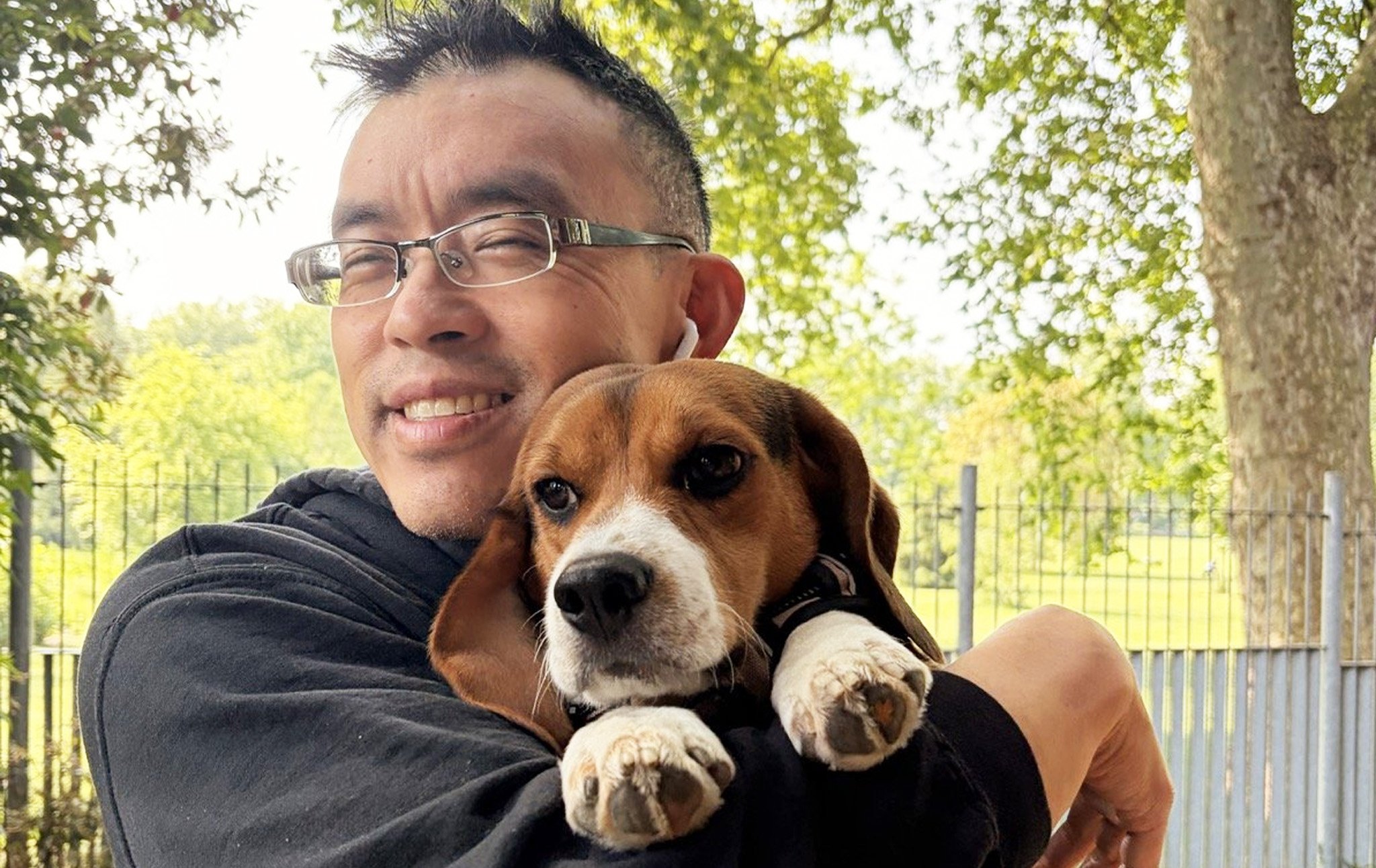
And it was one of my proudest moments as an American. You see, my “felony” was no ordinary crime. I was arrested for rescuing beagles from Ridglan Farms, a massive animal testing facility in Blue Mounds, Wisconsin, and organizing hundreds of others in doing the same. And far from being terrorism (as the state has alleged), the Ridglan rescue was simply my civic duty.
And that understanding—civil resistance as civic duty—is why we ultimately won.

The Ridglan Rescue
I have elsewhere explained the full history of the Ridglan dogs. But here’s the one-sentence version: thousands of caged beagles were facing criminal abuse, including surgical mutilation without anesthesia, and, for years, the government chose to cover it up due to the biomedical industry’s influence.
Beginning in March of this year, hundreds of animal rescuers decided that, if the government would not protect the Ridglan dogs, we would rescue them ourselves. The first wave unfolded on March 15 when 150 of us walked to the facility, tore down some of its fences and windows, and walked out with 30 desperate puppies in our arms. Unlike other open rescues, we did not operate under cover of night. We walked into Ridglan in broad daylight and under a claim of legal right. Indeed, following in the footsteps of Gandhi, we told the authorities and Ridglan exactly what we were going to do before we did it. When the police arrived and commanded us to stop, we just kept rescuing dogs—and invited them to join us. We got 22 dogs out before 29 activists were arrested by the police. (Tragically, eight dogs were seized and returned to a cage.)
Afterward, the police referred dozens of us to the District Attorney on felony charges. That could have been the end of things. But despite the legal threats, thousands of people begged to join us in another rescue. They wanted to get all of the Ridglan dogs out. Before we knew it, we had 2,000 rescuers signed up. In response, Ridglan built its facility up like a fortress—with manure-filled moats, barbed-wire trenches, and masked men with guns. Police rhetoric also escalated, with Sheriff Kalvin Barrett falsely accusing peaceful rescuers of violence and warning us not to “steal” the dogs.
We ignored his warning. And when the rescuers descended on Blue Mounds on April 18, the police escalated to brutality. They body-slammed disabled grandmothers. They shot rubber bullets at veterinarians. They waged literal chemical warfare against teenagers using Stinger grenades condemned by Amnesty International. But the rescuers persisted. Wave after wave of us peacefully walked past the moats and barbed wire and tried to save the Ridglan dogs.
No one got close. Hundreds were crushed by police violence. But something else did happen: the nation’s conscience was awakened. As images of brutality spread everywhere—a young man unconscious after his teeth were knocked out by a kick to the face, senior citizens slammed to the ground for merely standing on a public road outside of Ridglan—millions of Americans spoke out in a bipartisan show of support for the Ridglan rescue. Republican Lara Trump publicly committed $1 million to save the dogs. Democratic Representative Mark Pocan promised to shut Ridglan down. From the podcaster Megyn Kelly to the comedian Ricky Gervais, the one thing that everyone in this world seemed to agree on was that the Ridglan dogs had to be rescued.
And on May 1, we won. In the face of enormous pressure and collapsing sales, Ridglan released the vast majority of the dogs after a negotiation led by Big Dog Ranch Rescue and the Center for a Humane Economy.
Civil Resistance as Civic Duty
How did we win? There were many reasons, but here is one of the most important: we saw even our most radical acts of resistance as a civic duty, rather than political activism.
From the founding of this nation, resistance to corrupt power has defined who we are as Americans. When King George III imposed taxation without representation, the founding fathers stole his company’s tea and dumped it in the Boston Harbor. When police assaulted Black citizens for sitting in whites-only seats on buses and at lunch counters, Dr. Martin Luther King Jr. organized peaceful resistance and became a symbol of America. Our de facto state religion is civil resistance—to disobey when our leaders abuse their power. And a key tenet of this faith is that resistance is not political activism, per se. It’s not even really a choice. It’s a duty when we are confronted with the abuse of power.
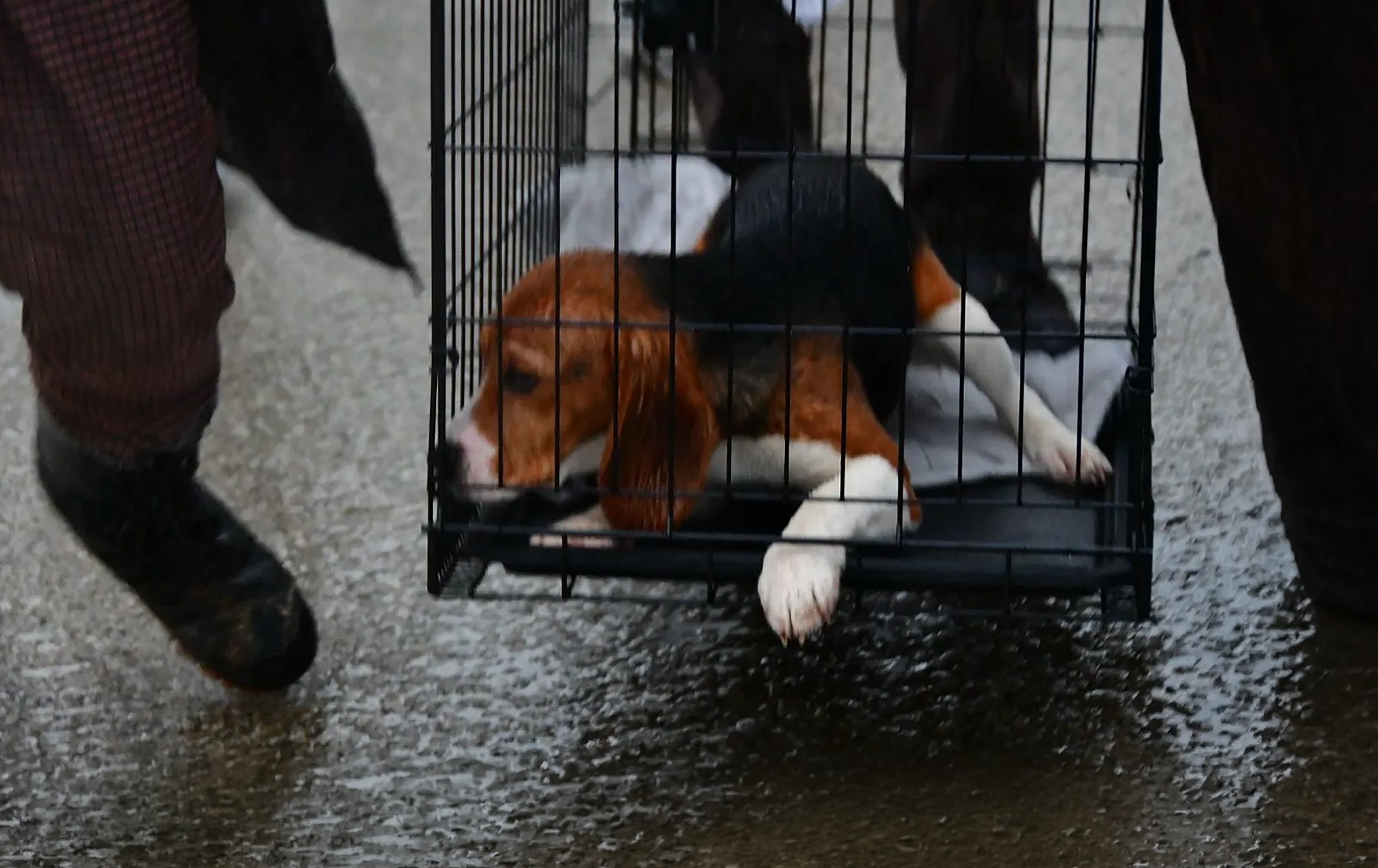
And that is how we saw the Ridglan rescue effort. The focus of the campaign, repeated over and over, was that dogs are being hurt, and they need our help. That was not a message about politics or even activism. It was about our duty to help members of our community who were suffering abuse. We also repeated an old line from the women’s suffrage movement: “We’re not law breakers. We’re law makers.” We were acting to bring the system back into alignment with its own rules and values.
This narrative—of resistance as civic duty rather than activism—allowed us to recruit from a much wider base than most movements. We got grandmothers and lawyers, Republicans and Democrats, socialists and capitalists. Our focus on duty also destabilized the industry’s efforts to caricature us as criminals or terrorists. How could we be dangerous extremists when we were merely fulfilling our obligations to our community?
There are lessons here for all those who seek change. Advocates are often perceived as telling people what to do. We need to invert that and serve people instead. Advocates are often accused of unreasoned radicalism. Even when asking for change, we need to explain how our actions fulfill our community’s existing values.
Learning these lessons may be crucial to the future of democracy. Our institutions are failing us. To cure this, our boldness must be matched by our humility. Our direct action must be undertaken with deference. From fighting for racial justice to ending wars, civil resistance must be merged with civic duty.
Maybe, for that purpose, the Ridglan dogs can inspire us all.